Core Faculty

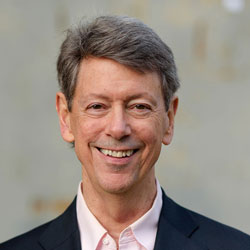
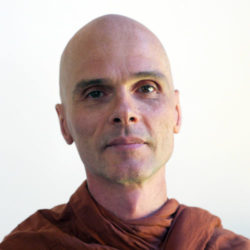
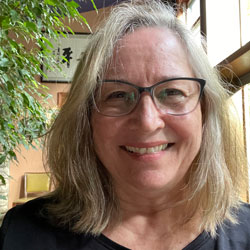
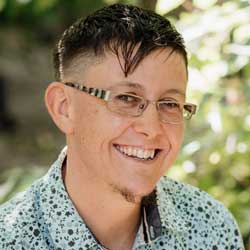
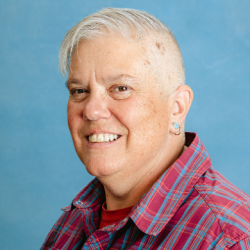
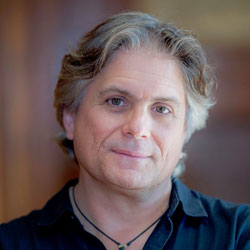
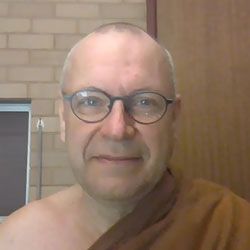
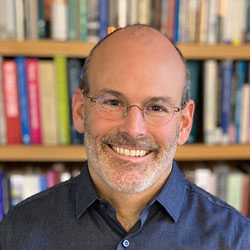
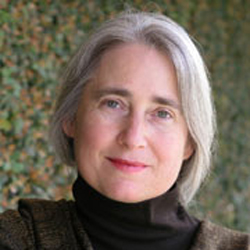
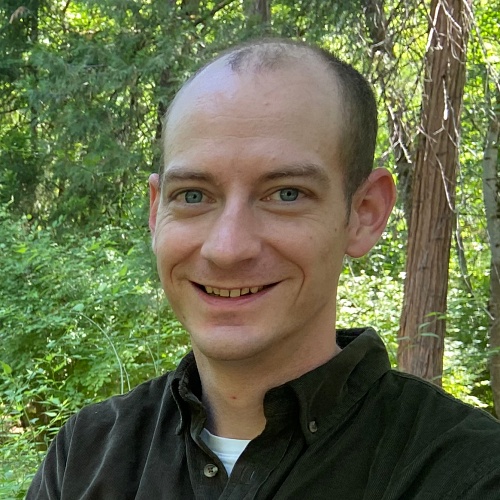
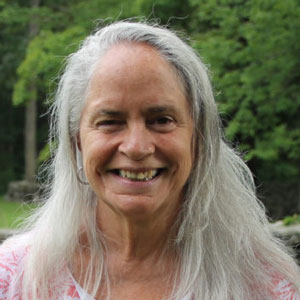
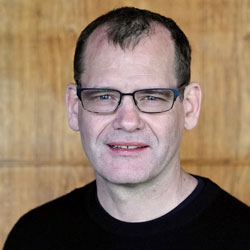
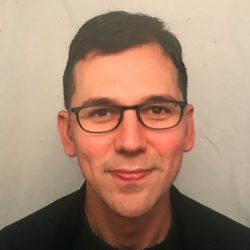
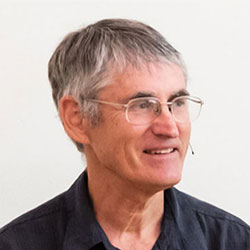
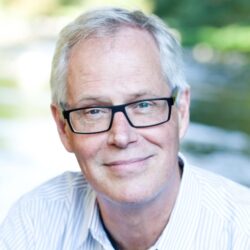
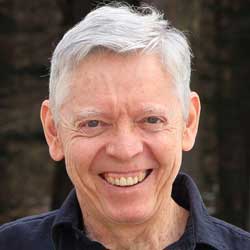
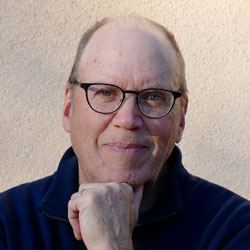
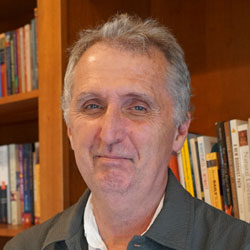
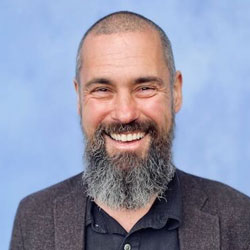
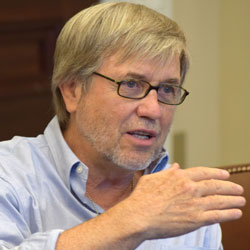
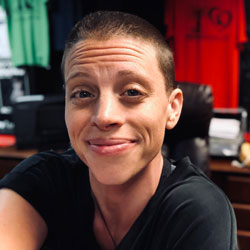
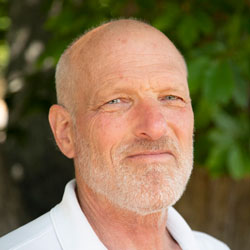
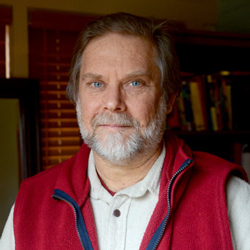
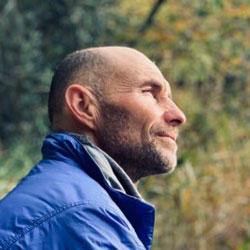
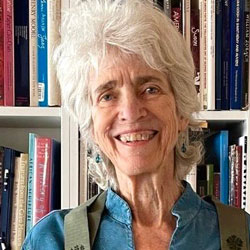
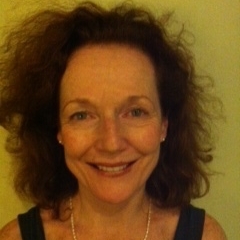
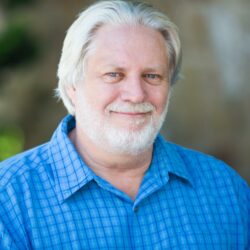
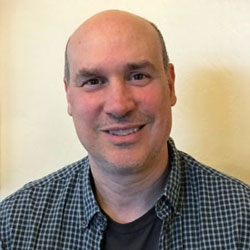
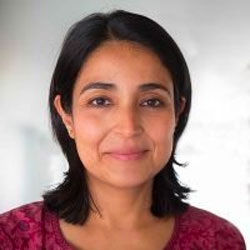
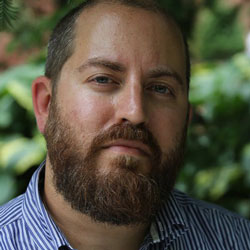
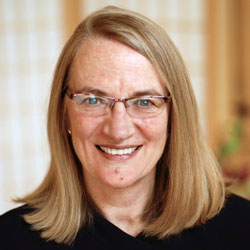
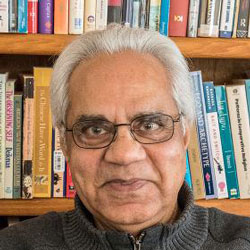
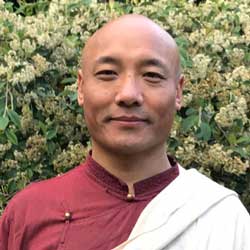
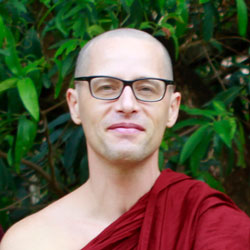
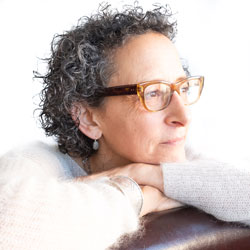
Andrew Olendzki was trained in Buddhist Studies at Lancaster University in England, as well as at Harvard and the University of Sri Lanka. Formerly executive director of IMS, executive director of BCBS, and editor of the Insight Journal, he is currently the senior scholar at BCBS. He is the author of Unlimiting Mind: The Radically Experiential Psychology of Buddhism. For a complete bibliography of his writing, please click here.

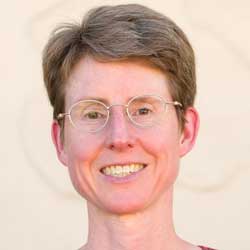
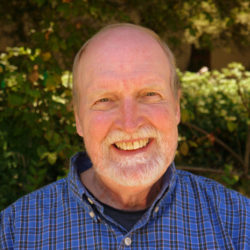
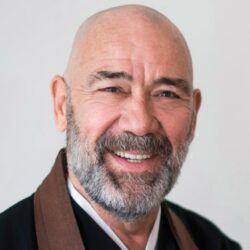
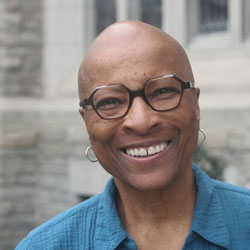
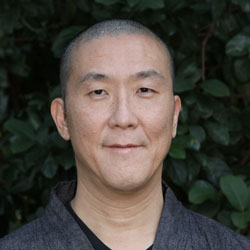
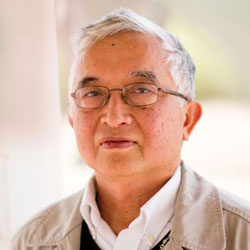
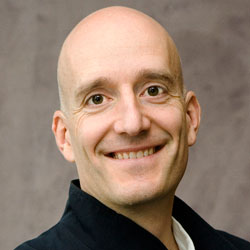
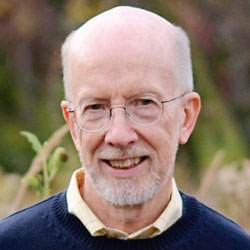
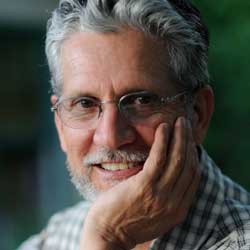
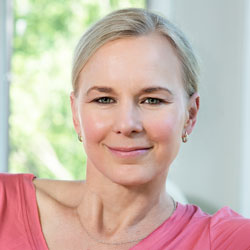
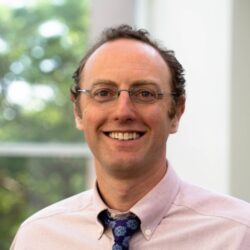
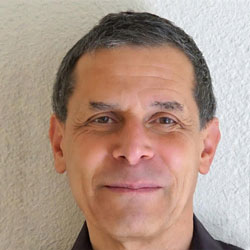
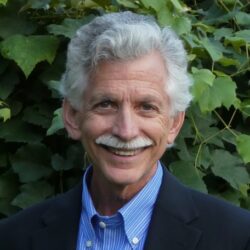
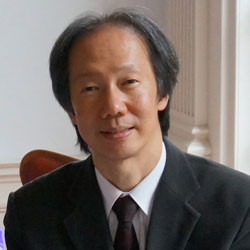
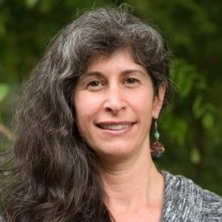
Mu Soeng

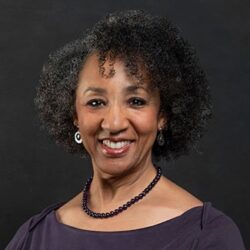
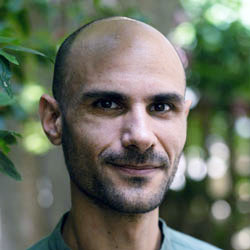
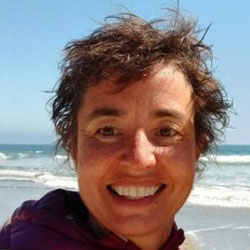
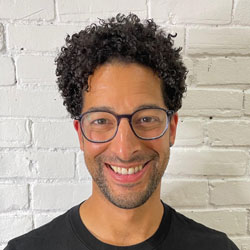
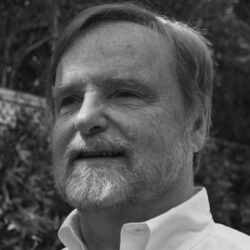
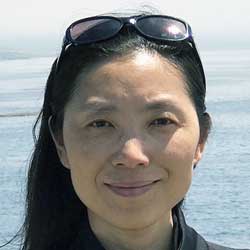
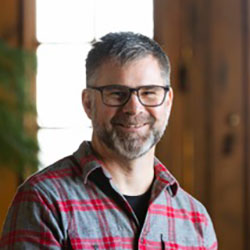
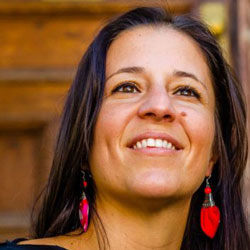
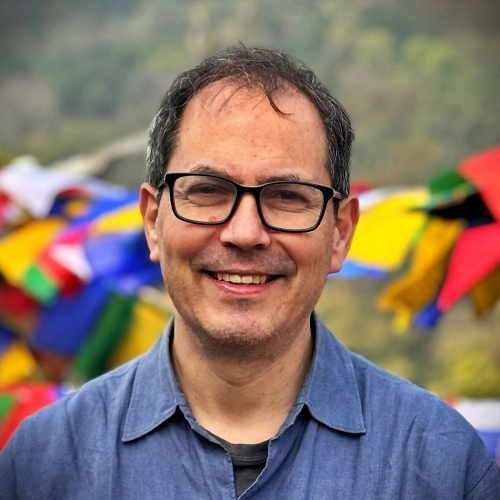
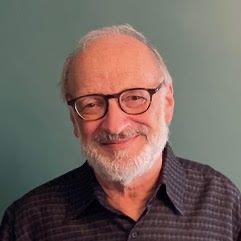
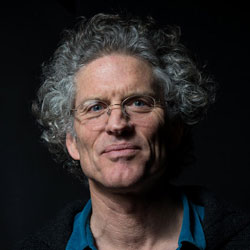
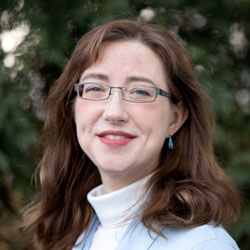
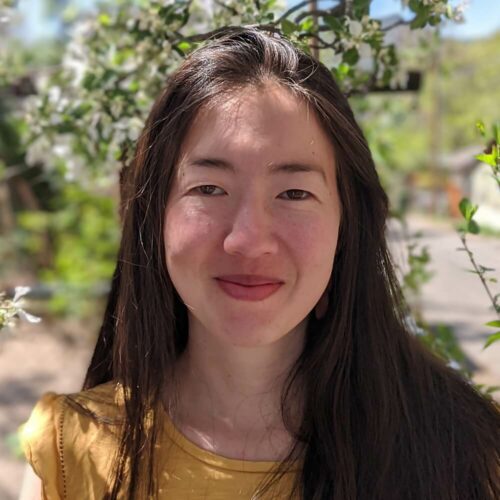
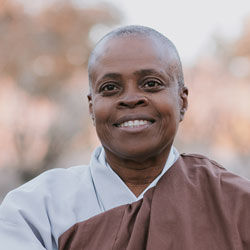
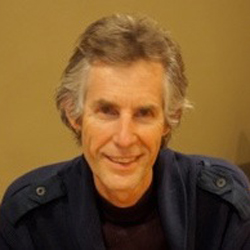
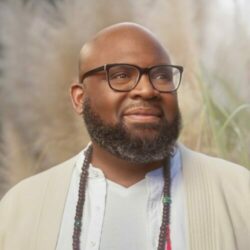
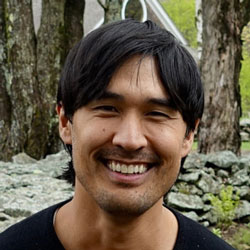
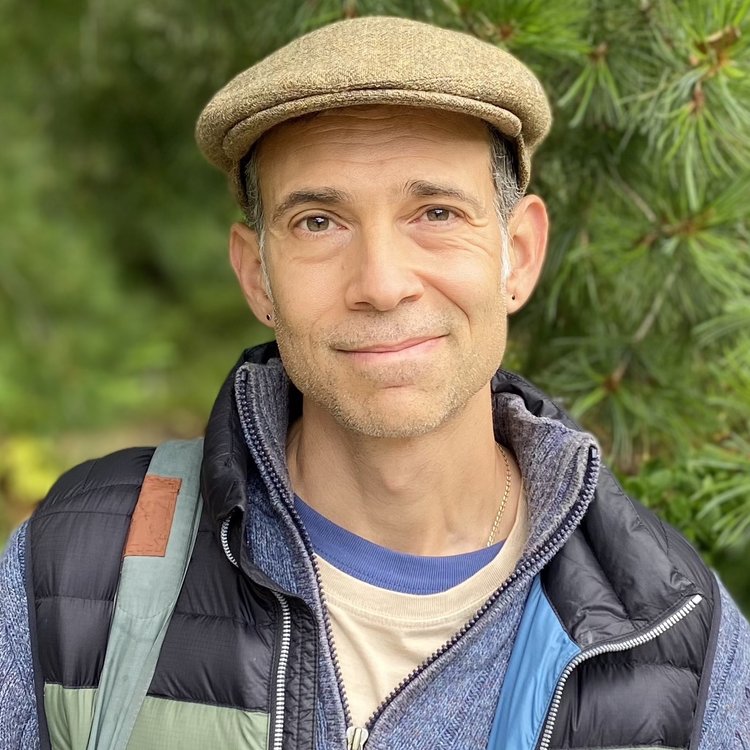
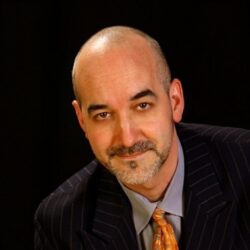
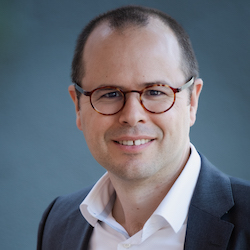
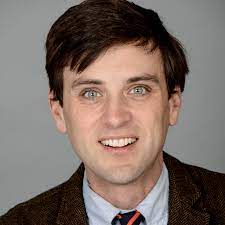
Mu Soeng is the study center’s program director and resident scholar. He trained in the (Korean) Zen tradition and was a monk for eleven years. He is the author ofThousand Peaks: Korean Zen (Tradition and Teachers); The Diamond Sutra: Transforming the Way We Perceive the World; Trust in Mind: The Rebellion of Chinese Zen; and the recently published The Heart of the Universe: Exploring the Heart Sutra.

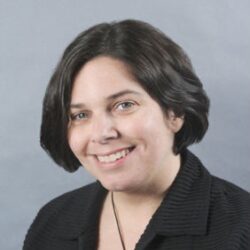
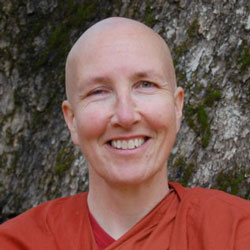
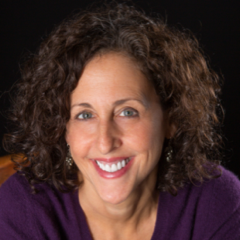
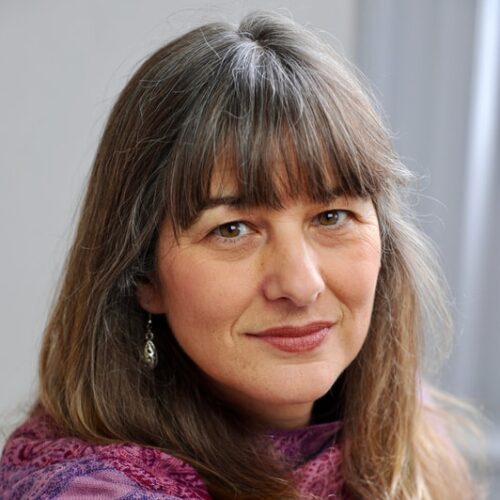
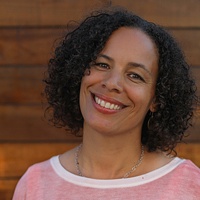
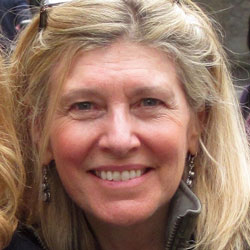
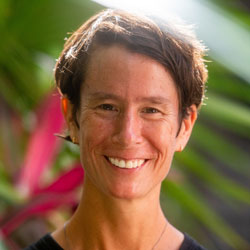
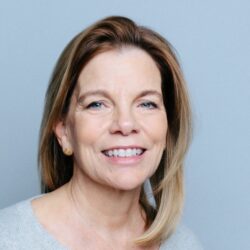
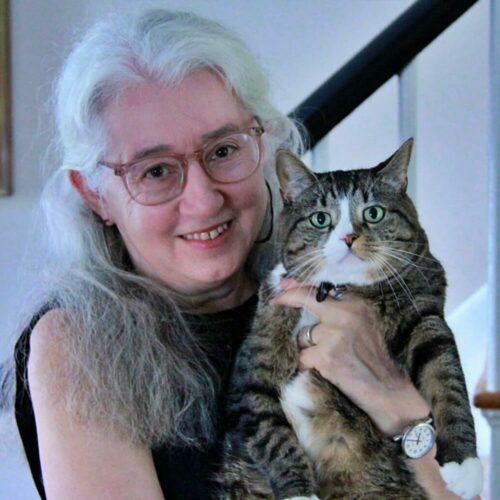
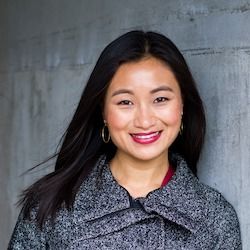
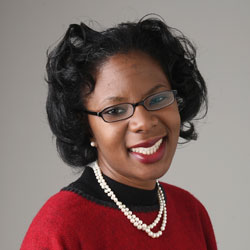
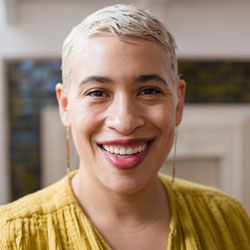
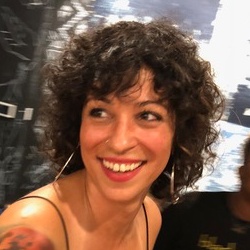
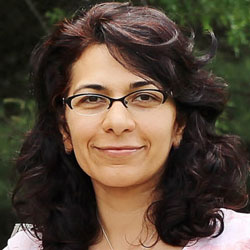
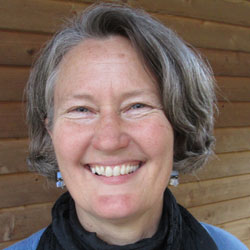
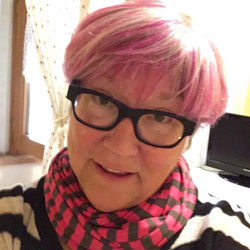
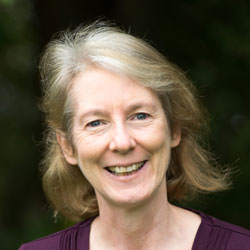
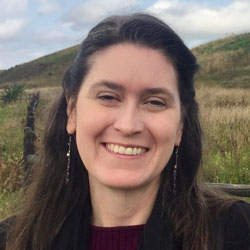
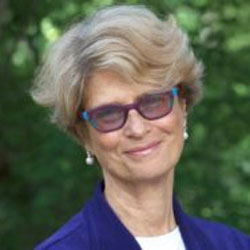
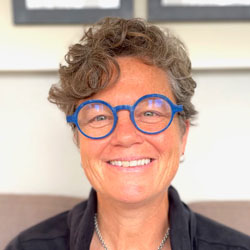
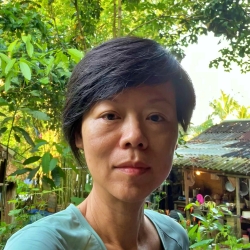
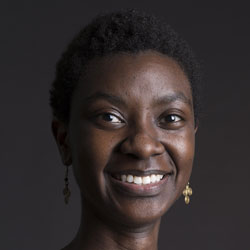
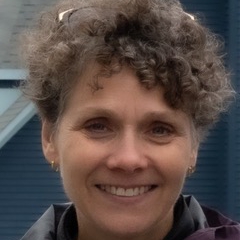
Gloria Taraniya Ambrosia

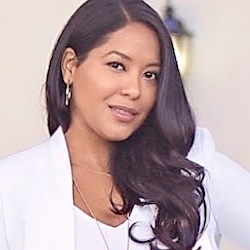
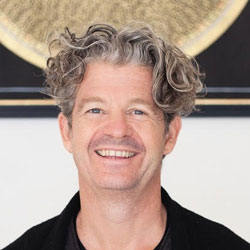
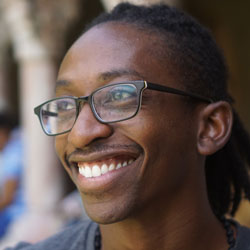
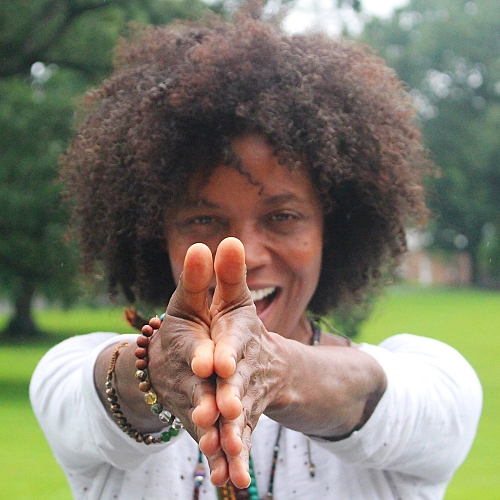
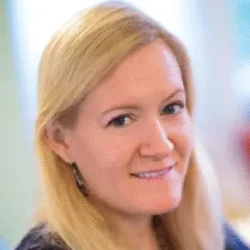
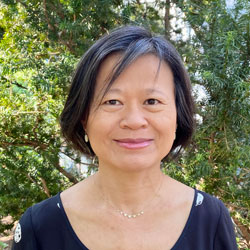
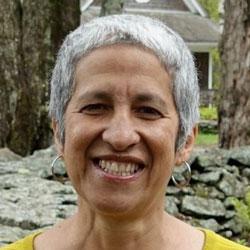
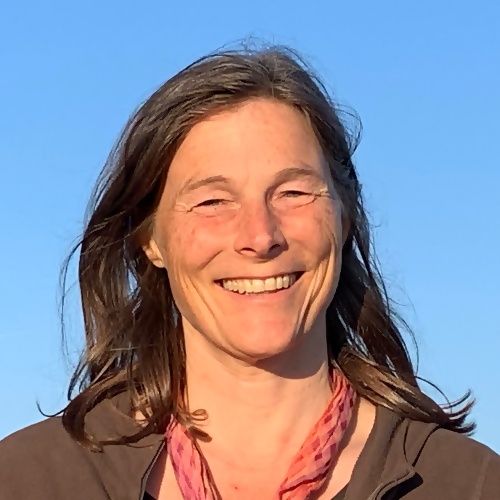
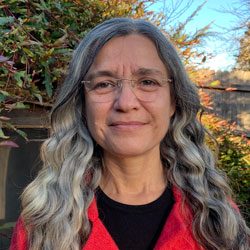
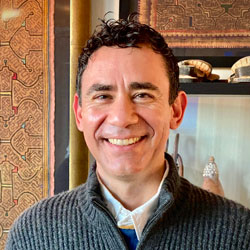
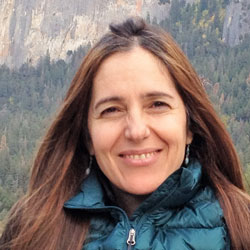
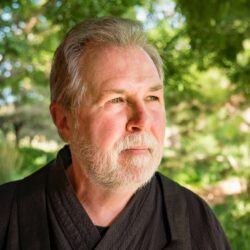
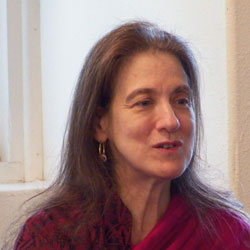
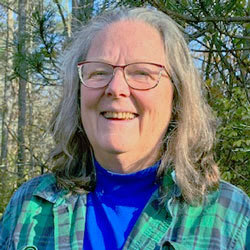
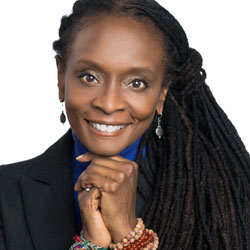
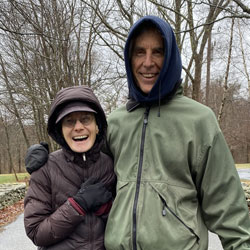
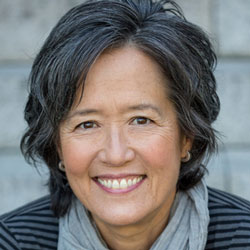
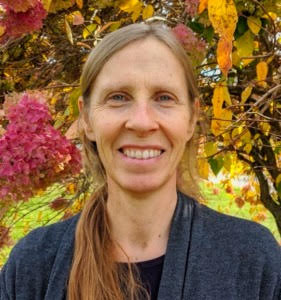
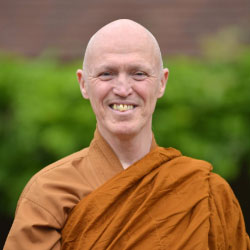
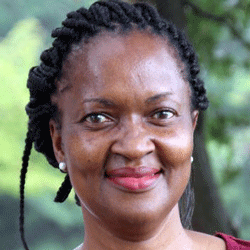
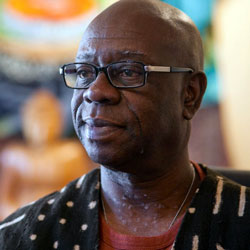
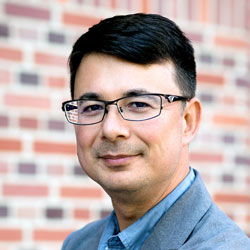
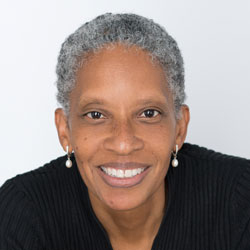
Gloria Taraniya Ambrosia has been a Dhamma teacher since 1990. She is a student of the western forest sangha, the disciples of Ajahn Sumedho and Ajahn Chah, and is a Lay Buddhist Minister in association with Abhayagiri Buddhist Monastery in California. She served as resident teacher of IMS in Barre, Massachusetts from 1996 through 1999.

Visiting Faculty

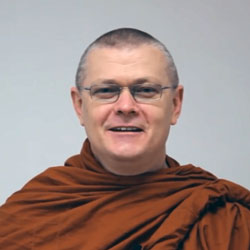
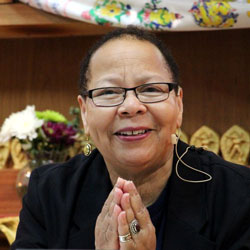
Bhikkhu Anālayo is a German scholar-monk and the author of Satipatthana: The Direct Path to Realization for which he received his PhD from the University of Peradeniya in Sri Lanka. He teaches at the Center of Buddhist Studies at the University of Hamburg. He is also a professor at the Sri Lanka International Buddhist Academy, Kandy and a researcher at the Dharma Drum Buddhist College in Taiwan. He studies Buddhist texts in Pali, Sanskrit, Chinese and Tibetan; his current research interests focus on a comparative study of the Pali Nikayas and Chinese Agamas, with a special interest in the topics of Buddhist meditation and the role of women in Buddhism. Information about his teaching is available here:
www.buddhismuskunde.uni-hamburg.de/fileadmin/pdf/analayo/lectures.htm

Martine Batchelor was a Zen Buddhist nun in Korea for ten years. She teaches meditation retreats worldwide. She is the author of The Path of Compassion and Women in Korean Zen: Lives and Practices. Her latest book is Let Go: A Buddhist Guide to Breaking Free of Habits.

Stephen Batchelor was a monk for ten years in the Tibetan and Korean Zen traditions. He teaches meditation and Buddhism worldwide and is the author of many books, including Buddhism without Beliefs and Living with the Devil. His newest book is Confessions of a Buddhist Atheist.

Leigh Brasington has been practicing meditation since 1985 and is the senior American student of the late Ven. Ayya Khema. Leigh began assisting Ven. Ayya Khemma in 1994, and was authorized to teach in 1997. He teaches in Europe and North America. Find more about Leigh’s teaching and schedule at http://leighb.com

Jake Davis began mindfulness practice at age fourteen at the IMS Young Adults Retreat, and went on to delve deeply into the Burmese tradition of Theravada practice, gaining years of experience in the monastic life under the guidance of Sayadaw U Pandita, engaging in long periods of silent retreat practice, and working as an interpreter for a number of Burmese meditation masters. Currently a Ph.D. student working in the philosophy of mind and cognitive science at the CUNY Graduate Center, Jake brings academic scholarship together with traditional training in the Pali Buddhist texts and a dedication to living with clarity and with care.
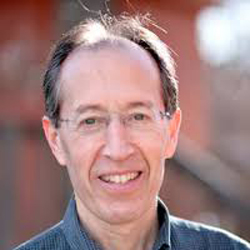
Julie Forsyth has been practicing Dzogchen meditations of compassion and wisdom with Lama John Makransky since 1995. She is a co-founder and Associate Teacher of the Foundation for Active Compassion. She is an Assistant Professor at Landmark College in Putney, Vermont, serving learning disabled college students.

Paul Fulton is a clinical psychologist in private practice in Newton, Massachusetts. He is president of the Institute for Meditation and Psychotherapy. He received tokudo initiation as a Zen Buddhist in 1972. He is the co-editor of the book Mindfulness and Psychotherapy.

Jay Garfield is the Doris Silbert Professor in the Humanities and Professor of Philosophy at Smith College, where he teaches logic, cognitive science, and Buddhist Studies. Among his many books, The Fundamental Wisdom of the Middle Way is the most widely appreciated translation and commentary on Nāgārjuna’s great classic, Mūlamadhyamaka-kārikā. He is also Professor of Philosophy at the University of Melbourne and at the Central University of Tibetan Studies in India and Director of the Five College Tibetan Studies in India Program.

Christopher K. Germer, PhD is a clinical psychologist in private practice, specializing in mindfulness- and acceptance-based treatment. He has been integrating the principles and practices of meditation into psychotherapy since 1978 and has taken numerous journeys to India to explore the varieties of meditation. He is a Clinical Instructor in Psychology at Harvard Medical School and a founding member of the Institute for Meditation and Psychotherapy. He lectures internationally on mindfulness and self-compassion, is a co-editor of Mindfulness and Psychotherapy, and Compassion and Wisdom in Psychotherapy, and author of The Mindful Path to Self-Compassion.

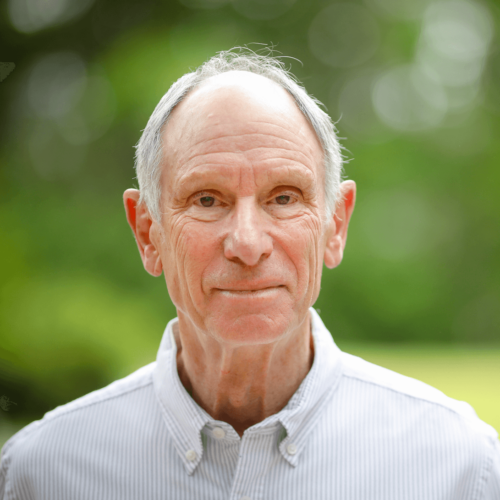
Joseph Goldstein is a co-founder and guiding teacher of IMS. He has been teaching vipassanā and mettā retreats worldwide since 1974. In 1989, he helped establish BCBS and, more recently, IMS’s Forest Refuge. He is the author of One Dharma, The Experience of Insight, and Insight Meditation, and co-author of Seeking the Heart of Wisdom. Here is more about Joseph and his teaching schedule.

Rita M. Gross is a Buddhist scholar-practitioner who has taught and published widely about gender issues, both in Buddhism and in general.  She is Professor Emerita of Comparative Studies in Religion at the University of Wisconsin—Eau Claire and a lopon (senior dharma teacher) in the Mindrolling lineage of Tibetan Buddhism.  Her best known book is Buddhism after Patriarchy: A Feminist History, Analysis, and Reconstruction of Buddhism.  Her forthcoming book is Religious Diversity—What’s the Problem? Buddhist Advice for Flourishing with Religious Diversity.

Rick Hanson, PhD began meditating in 1974 and has practiced in several traditions. A neuropsychologist, writer, and teacher, he co-founded the Wellspring Institute for Neuroscience and Contemplative Wisdom (see www.WiseBrain.org) and edits the Wise Brain Bulletin. First author of Mother Nurture (Penguin, 2002), his latest book is Buddha’s Brain: The Practical Neuroscience of Happiness, Love and Wisdom (with Rick Mendius, MD; Preface by Jack Kornfield, PhD and Foreword by Dan Siegel, MD). He started sitting at Spirit Rock in 1993 and recently completed a nine-year term on its Board. A graduate of the Community Dharma Leader training program, he leads a weekly meditation group in San Rafael. www.rickhanson.net

Chip Hartranft is the founding director of The Arlington Center, dedicated to the integration of yoga and dharma practice, and has taught a blend of yoga movement, breathwork, and mindfulness in the Boston area since 1978. He is the author of The Yoga-Sutra of Patañjali: A New Translation with Commentary. www.arlingtoncenter.org

Christopher Ives is a professor of Religious Studies at Stonehill College. In his teaching and writing he focuses on modern Zen ethics, and currently he is working on Buddhist approaches to nature and environmental issues. He is the author of Zen Awakening and Society and Imperial-Way Zen: Ichikawa Hakugen’s Critique and Lingering Questions for Buddhist Ethics. Click here for more about Christopher Ives. (www.stonehill.edu/x9166.xml)

Arnie Kozak, PhD, is a licensed psychologist and founder of Exquisite Mind in Burlington, Vermont, where he practices mindfulness-based psychotherapy and teaches meditation. He is the author of Wild Chickens and Petty Tyrants: 108 Metaphors for Mindfulness (Wisdom Publications). Since 1985 when he took the Bodhisattva vows from His Holiness the Dalai Lama in Bodhgaya, India, he has practiced meditation, yoga, and psychology. He has recently lectured in psychology for the University of Vermont and is a Clinical Instructor in the Departments of Psychiatry and Medicine at the University of Vermont College of Medicine. www.exquisitemind.com

Gregory Kramer has been teaching vipassanā since 1980, having been trained by Ven. Ananda Maitreya Mahanayaka Thera, Punnaji Maha Thera, and Achan Sobin Namto. He is the co-creator and developer of Insight Dialogue and teaches this practice and Dharma Contemplation worldwide. He is the founder-director of Metta Foundation and the author of Insight Dialogue: The Interpersonal Path to Freedom. His website is www.metta.org.

Michael Liebenson Grady is a guiding teacher at Cambridge Insight Meditation Center. He also teaches at the Insight Meditation Society. Michael has been practicing vipassanā since 1973.

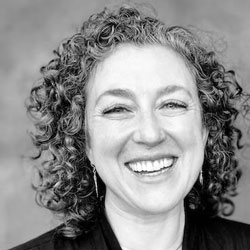
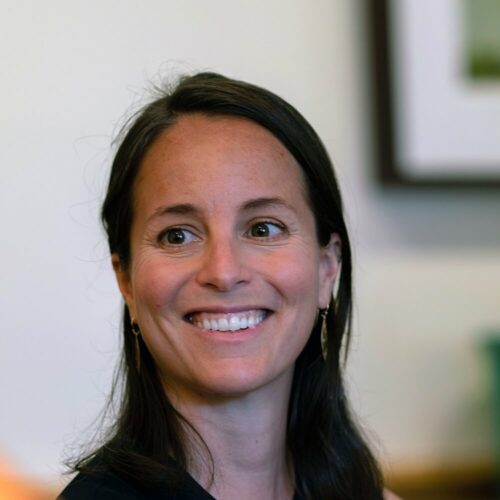
Narayan Liebenson Grady is a guiding teacher at Cambridge Insight Meditation Center where she has been teaching since it opened in 1985. Narayan is also a guiding teacher at the Insight Meditation Society. She is the author of When Singing, Just Sing: Life as Meditation.

David R. Loy is especially interested in the conversation between Buddhism and modernity. His books include Nonduality, Lack and Transcendance, A Buddhist History of the West, The Great Awakening, Money Sex War Karma and The World Is Made of Stories. A Zen practitioner for many years, he is qualified as a teacher in the Sanbo Kyodan tradition.

John Makransky has practiced meditations of compassion and wisdom from Tibetan traditions for thirty years and has pioneered new ways of making them accessible to people of all backgrounds and faiths. John is a professor of Buddhism and Comparative Theology at Boston College, senior advisor to Chokyi Nyima Rinpoche’s Centre for Buddhist Studies in Nepal, and was ordained a Tibetan Buddhist lama in 2000. John is also the guiding meditation teacher for the Foundation for Active Compassion and the author, among others, of Awakening through Love: Unveiling Your Deepest Goodness. See also www.johnmakransky.org

Willa Miller has studied and practiced in the Tibetan Buddhist tradition for the last twenty years, and is an authorized lama in this tradition. She is the founder of Natural Dharma Fellowship in Boston, and teaches Buddhist practice and meditation in the Northeast. She has an M.A. in Buddhist Studies from the University of Virginia, and is working towards a PhD at Harvard University. Willa is author of the book Everyday Dharma: Seven Weeks to Finding the Buddha in You.

Jack Millett, M.A.T., has practiced vipassanā meditation since 1990 and has been teaching at Vermont Insight Meditation Center since 2005. He a Co-Founder of The Center for Mindful Inquiry and former Associate Professor at the School for International Training specializing in teacher education, supervision, and mentory. www.mindfulinquiry.org

Phillip Moffitt is a Buddhist meditation teacher and writer based in the San Francisco Bay Area.  He is Co-Guiding Teacher at Spirit Rock Meditation Center, and leads retreats throughout the United States.  Phillip is also the founder and director of Life Balance Institute where he trains executives and individuals in skillful living.  He is the author of two books:  Emotional Chaos to Clarity:  How to Live More Skillfully, Make Better Decisions, and Find Purpose in Life and Dancing with Life:  Buddhist Insights for Finding Meaning and Joy in the Face of Suffering. His websites are www.dharmawisdom.org and www.lifebalanceinstitute.com.

Bill Morgan, Psy.D. is a psychologist with more than 35 years of vipassanā meditation practice. He is currently on a four-year meditation retreat at the Forest Refuge, and has been been teaching meditation to psychotherapists for 20 years.

Susan Morgan, CNS is a psychotherapist in Cambridge MA. She also consults with therapists who are interested in deepening therapeutic presence. Susan has co-led retreats for psychotherapists with Bill Morgan for the past 12 years, and is currently on a four-year meditation retreat. Lovingkindness and body awareness are integral to her mindfulness teaching.

DaeJa Napier has been teaching vipassanā meditation in combination with the cultivation of the four brahma-vihāras for the last thirty years. She has trained in the Zen and vipassanā traditions with both Asian and Western teachers. Her emphasis has been on the cultivation of formal and informal practice in everyday life while she raised five children over the last forty years.

Roshi Pat Enkyo O’Hara is the abbot of the Village Zendo in Manhattan. She is a Soto Zen Priest and certified Zen Teacher in Maezumi Roshi’s White Plum lineage. She holds a Ph.D. in Media Ecology, and taught at NYU for twenty years.
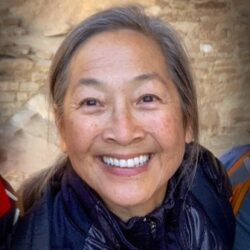
John Peacock, an academic and meditation teacher for 25 years, currently teaches Buddhist studies and Indian religions at the University of Bristol. He is the Guiding Teacher of Sharpham Centre for Contemporary Buddhist Inquiry in England.

Ajahn Punnadhammo has been studying and practicing Buddhism since 1979 and was ordained in Thailand in the forest tradition of Ajahn Chah in 1990. Currently he is the resident bhikkhu at the Arrow River Forest Hermitage in Northern Ontario.

Jason Siff, a Buddhist monk in Sri Lanka in the late 1980’s, has been teaching meditation in the United States since 1990. He is the founding teacher of the Skillful Meditation Project in Los Angeles.

Claire Stanley, Ph.D., has been a student of Buddhist meditation since 1986. She is the guiding teacher of the Vermont Insight Meditation Center. As an educator, she teaches the integration of mindfulness practices in professional contexts at the Center for Mindful Inquiry, Antioch University New England, and Union Institute and University. www.mindfulinquiry.org

Ajahn Sucitto entered monastic life in Thailand where he became a bhikkhu in 1976. He has lived in Britain since 1978, training under Ajahn Sumedho in the lineage of Ajahn Chah. He has been teaching since 1981, and was appointed abbot of Cittaviveka (Chithurst) in 1992.

Ajaan Thanissaro (Geoffrey DeGraff) has been a Theravadin monk since 1976. The abbot of Metta Forest Monastery in San Diego County, CA, he is a prolific translator of Pali texts and Thai meditation guides. He is the author, among other books, of Wings to Awakening, Mind Like Fire Unbound, and Meditations.

Mark Unno is currently Associate Professor of East Asian Religions at the University of Oregon. He specializes in medieval Japanese Buddhist thought and the philosophy of religion. He is the author of Shingon Refractions: Myoe and the Mantra of Light. He is also an ordained priest in the Shin Buddhist tradition.

William Waldron, Ph. D. received his PhD in Buddhist Studies from the University of Wisconsin after studying extensively with native teachers in India, Nepal, and Japan. He currently teaches South Asian religions and Buddhist philosophy at Middlebury College, Vermont and at the Centre for Buddhist Studies, Rangjung Yeshe Institute, Kathmandu, Nepal. His research areas include the Yogācāra school of Indian Buddhism and comparative psychologies and philosophies of mind.
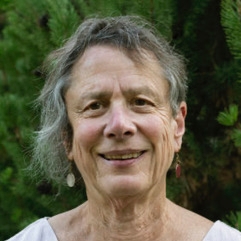
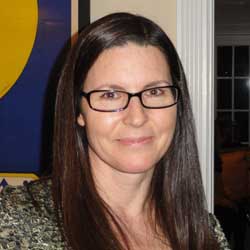
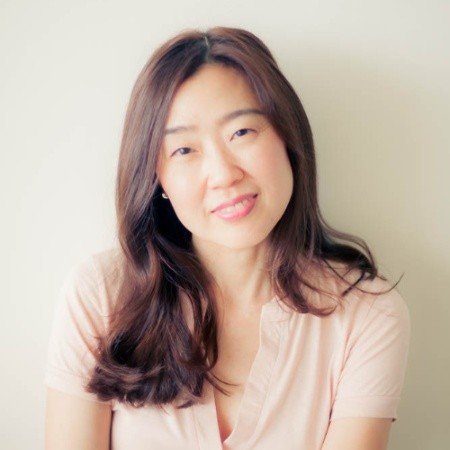
Akincano M. Weber is a scholar-practitioner, psychotherapist and Buddhist teacher. He has lived as a Buddhist monk for 20 years in the Forest monasteries of Thailand and Europe, studied Pali language and scriptures and holds an M.A. in Buddhist psychotherapy. He lives and practices in Cologne, Germany from where he teaches Dharma and meditation internationally.

Lila Kate Wheeler began practicing mediation in 1977 and was briefly ordained as a nun in Burma in the late 1980s. She has been teaching retreats nationally since the 1990s. She is an accomplished writer of fiction, travel journalism, and personal essays. She has edited two books of talks by her Burmese teacher Sayadaw U Pandita.

Christopher Willard (Psy. D.) is a psychologist, psychotherapist and educational consultant in the Boston area specializing in mindfulness-based treatment of adolescents and young adults. He has been practicing meditation for over 15 years, and now regularly leads workshops around the world. He currently serves on the board of directors at the Institute for Meditation and Psychotherapy, where he teaches in the core faculty.  He is most recently the author of Child’s Mind, a book on teaching mindfulness practices to children and adolescents.